


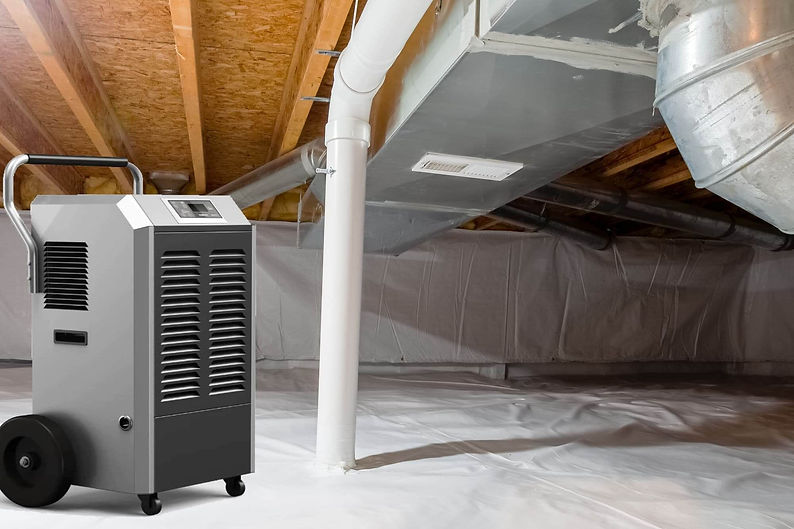

Creating a Balanced Indoor Environment After Moisture Damage
Excess humidity can be just as damaging as standing water when left unaddressed. BANG IT SERVICES Roofing & Restoration provides professional dehumidification services designed to remove airborne moisture, stabilize indoor environments, and protect building materials after water intrusion. High humidity slows drying, weakens structural components, and increases the risk of mold growth. Proper dehumidification restores balance by pulling moisture from the air before it can re-enter walls, floors, insulation, and roofing systems. This service is a critical step in protecting both the visible and hidden parts of a structure during restoration.


Understanding Dehumidification and Its Role in Restoration
Dehumidification is the controlled removal of excess moisture from indoor air using specialized equipment. After water damage, humidity levels often remain dangerously high even when surfaces appear dry, allowing moisture to linger inside structural materials.
Airborne moisture naturally seeks equilibrium, meaning damp air continuously feeds moisture back into walls, wood framing, insulation, and roof assemblies. Dehumidification breaks this cycle by lowering humidity to safe levels, allowing materials to release moisture instead of reabsorbing it. This process is essential for preventing secondary damage and supporting complete structural drying.
How Professional Dehumidification Works
Professional dehumidification relies on advanced equipment designed to extract moisture efficiently without damaging building materials. Dehumidifiers draw in humid air, condense moisture into liquid form, and release drier air back into the space.
This process works alongside airflow and temperature control to encourage evaporation from damp materials. Moisture removed from the air prevents condensation and accelerates drying throughout the structure. Continuous monitoring ensures humidity levels remain within target ranges, creating an environment where materials can dry safely and effectively.
Situations Where Dehumidification Services Are Essential
Water Damage from Roof Leaks or Storm Intrusion
Roof leaks often introduce moisture into ceiling cavities, insulation, and framing where airflow is limited. Dehumidification removes humidity trapped in these areas, preventing moisture from lingering and causing deterioration within roofing systems and structural components.
Flooding or Standing Water Events
After water extraction, indoor humidity often remains elevated. Dehumidification controls moisture in the air, preventing wet materials from staying saturated and reducing the likelihood of warping, swelling, and microbial growth.
Plumbing Leaks and Appliance Failures
Water released inside walls or under floors increases humidity throughout the structure. Dehumidification prevents moisture from spreading beyond the initial leak area and limits hidden damage that can worsen over time.
High Humidity Environments After Restoration
Some structures retain moisture due to poor ventilation or environmental conditions. Dehumidification stabilizes indoor air, protecting restored materials and preventing recurring moisture-related issues.
Key Benefits of Professional Dehumidification Services
Protection Against Mold and Microbial Growth
Mold thrives in humid environments. Dehumidification lowers moisture levels in the air, removing the conditions mold needs to grow. This proactive control helps protect indoor air quality and reduces the risk of extensive remediation.
Faster and More Effective Drying
Drying materials in a humid environment is inefficient. Dehumidification creates optimal conditions for evaporation, allowing walls, floors, and roofing components to release moisture more quickly and evenly.
Preservation of Structural Materials
Excess humidity weakens wood, corrodes metal, and degrades insulation. Dehumidification prevents moisture from re-entering materials, preserving their strength, stability, and performance throughout the structure.
Support for Long-Lasting Restoration Results
Restoration work performed in a controlled humidity environment is more durable. Dehumidification ensures materials are dry and stable, preventing future failures such as peeling finishes, warped surfaces, or recurring moisture problems.
Step-by-Step Dehumidification Process
Initial Humidity and Moisture Evaluation
The process begins with measuring indoor humidity and identifying moisture-affected areas. These readings establish drying goals and determine the type and capacity of dehumidification equipment needed for effective moisture control.
Strategic Equipment Placement
Dehumidifiers are positioned to capture moisture evenly throughout the affected space. Placement is adjusted to address enclosed areas, ceiling cavities, and rooms with limited airflow where humidity often remains trapped.
Continuous Moisture Extraction
As dehumidifiers operate, they pull moisture from the air and collect it safely. This continuous extraction prevents condensation and supports ongoing drying within walls, floors, and roofing systems.
Monitoring and Environmental Adjustments
Humidity levels are monitored regularly to track progress. Equipment settings are adjusted as conditions change, ensuring optimal moisture removal without overdrying or stressing building materials.
Final Humidity Stabilization
Once target humidity levels are reached, equipment is removed gradually. Final checks confirm that indoor conditions are stable and supportive of completed or upcoming restoration work.
Why Dehumidification Is Time-Sensitive
Humidity damage accelerates quickly after water intrusion. Within hours, elevated moisture levels begin feeding water back into structural materials, slowing drying and increasing damage severity.
Delaying dehumidification allows moisture to circulate continuously, creating ideal conditions for mold growth and material deterioration. Early humidity control shortens restoration timelines, limits damage spread, and protects the structure from long-term issues.
The Connection Between Dehumidification and Roofing Systems
Roof assemblies are particularly vulnerable to humidity because moisture becomes trapped between layers. Without dehumidification, wet insulation and decking may appear dry while remaining saturated internally.
Dehumidification protects roofing systems by preventing moisture from cycling back into these materials. This service supports accurate damage assessment, effective repairs, and longer-lasting roof performance after restoration.
Aftercare Following Dehumidification Services
Maintaining Balanced Indoor Humidity
Once dehumidification is complete, maintaining proper humidity levels helps prevent moisture from returning. Balanced indoor air supports long-term material performance and occupant comfort.
Monitoring for Recurring Moisture
Periodic humidity checks help identify early signs of moisture imbalance. This proactive approach allows timely action before humidity leads to structural or indoor air quality issues.
Supporting Ongoing Structural Drying
Dehumidification often works alongside structural drying efforts. Continued moisture control ensures that drying remains effective until all materials reach safe moisture levels.
Preparing for Repairs and Finishing Work
Stable humidity creates ideal conditions for repairs, coatings, and finishes. Dehumidification ensures materials accept restoration work properly and perform as intended over time.
Signs Dehumidification Is Needed Immediately
Persistent musty odors, condensation on surfaces, slow drying materials, or a damp indoor feel indicate excessive humidity. These signs suggest moisture is circulating through the air and re-entering building materials.
Dehumidification addresses these conditions at the source, preventing hidden damage and supporting healthier indoor environments. Acting early reduces the risk of mold growth and structural deterioration.
Schedule Dehumidification Services Today
Excess moisture in the air can quietly undermine your structure long after water damage occurs. BANG IT SERVICES Roofing & Restoration provides professional dehumidification services to stabilize indoor environments, protect roofing systems, and support complete restoration. Schedule dehumidification services today to control humidity, protect your property, and ensure lasting restoration results.
Our Happy Customers
Serving Areas – Houston & Surrounding Cities
Houston TX, Uptown Houston Texas, Downtown Houston TX, Rice Village Houston TX, Midtown Houston TX, Montrose Houston TX, Medical Center Houston TX, Southwest Houston TX, Meyerland Area Houston TX, Humble TX, Kingwood TX, Atascocita TX, Porter TX, Cleveland TX, Huffman TX, Eastgate TX, New Caney TX, Westfield TX, Spring TX, The Woodlands TX, Conroe TX, Magnolia TX, Pinehurst TX, Louetta TX, Tomball TX, Hockley TX, Waller TX, Northeast Houston TX, Northwest Houston TX, Baytown TX, Pearland TX, Pasadena TX, Highlands TX, Crosby TX, Mont Belview TX, Channelview TX, Sheldon TX, La Porte TX, Alvin TX, League City TX, Hitchcock TX, Galveston TX, Dickinson TX, Fresno TX, Texas City TX, Santa Fe TX, Webster TX, Kemah TX, La Marque TX, Hillcrest TX, San Leon TX, Friendswood TX, Rosharon TX, Sugarland TX, Richmond TX, Katy TX, Cypress TX, Brookshire TX, Cinco Ranch TX, Bellaire TX, Memorial City TX, Mission Bend TX, Pecan Grove TX, Jersey Village TX, Aldine TX, Missouri City TX, Greatwood TX, Rosenberg TX, Sienna Plantation TX, Manvel TX


