


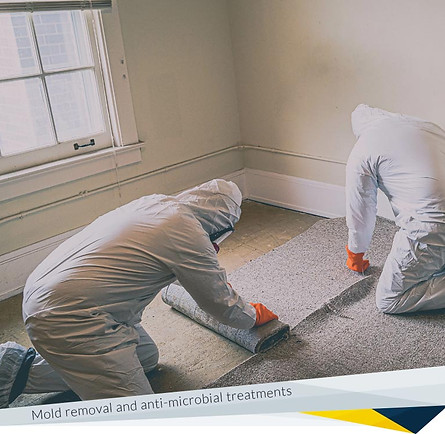
Eliminating Hidden Mold Threats With Advanced Indoor Treatment Solutions
At BANG IT SERVICES Roofing & Restoration, mold fogging and antimicrobial treatments are delivered as a precision-based solution designed to neutralize mold spores at both visible and invisible levels. This service goes beyond surface cleaning, targeting airborne contaminants and microscopic mold particles that settle into walls, insulation, ductwork, and structural cavities. Our approach supports healthier indoor air quality, protects building materials, and helps prevent future mold regrowth following water damage, leaks, or humidity issues. By combining advanced fogging equipment with professional-grade antimicrobial agents, this service creates a safer, cleaner indoor environment while reinforcing long-term restoration success.


Understanding Mold Fogging and Antimicrobial Treatments
Mold fogging and antimicrobial treatments are specialized remediation processes designed to sanitize indoor environments after mold contamination, water damage, or prolonged moisture exposure. The method disperses antimicrobial solutions in a fine mist or fog, allowing the treatment to reach areas that traditional wiping, spraying, or vacuuming cannot access. These treatments are commonly used as a final or supplemental step in professional mold remediation projects.
Unlike basic cleaning, fogging addresses airborne spores, microscopic mold fragments, and bacteria that remain suspended or settle into porous materials. Antimicrobial agents work by disrupting mold growth at the cellular level, reducing the chance of future colonies forming when moisture conditions fluctuate.
How Mold Fogging Works
Mold fogging utilizes specialized equipment that atomizes antimicrobial solutions into ultra-fine droplets. These droplets remain airborne long enough to circulate through affected spaces, ensuring comprehensive coverage across exposed and concealed surfaces.
Once dispersed, the antimicrobial solution adheres to walls, ceilings, framing, and contents, forming a protective barrier that neutralizes remaining mold spores. The process supports both immediate sanitation and longer-term microbial control when paired with proper moisture management and structural drying.
Types of Antimicrobial Treatments Used
Different environments require specific antimicrobial solutions based on contamination levels, materials involved, and indoor occupancy needs.
-
Broad-Spectrum Antimicrobial Agents
These treatments are formulated to eliminate a wide range of microorganisms, including mold spores, bacteria, and mildew. They are commonly used after water damage or mold remediation to reduce biological contaminants across multiple surface types while supporting safer indoor air quality restoration. -
Fungicidal Fogging Solutions
Fungicidal agents specifically target mold and fungal growth at the cellular level. These solutions are especially effective in environments with persistent humidity issues, helping suppress mold regrowth by interfering with spore reproduction and colonization within treated areas. -
Residual Antimicrobial Coatings
Some treatments create a lingering antimicrobial barrier on treated surfaces. This protective layer helps prevent new mold growth by resisting microbial attachment, making it ideal for crawl spaces, attics, and previously affected structural zones prone to moisture fluctuations.
Signs Mold Fogging and Antimicrobial Treatment Is Needed
Mold contamination is not always visible, and lingering spores can continue affecting indoor air quality even after surface mold appears removed.
-
Persistent Musty Odors Indoors
A recurring musty or earthy smell often indicates airborne mold spores circulating through interior spaces. Even when visible mold is not present, fogging treatments help neutralize odor-causing microorganisms embedded within porous materials and air pathways. -
Recurring Mold After Cleaning or Repairs
If mold continues returning after basic cleaning or repairs, airborne spores may still be present. Fogging helps address residual contamination that traditional remediation methods may not fully eliminate, reducing the likelihood of repeated outbreaks. -
Post-Water Damage or Flooding Events
After leaks, storms, or flooding, moisture can remain trapped in building cavities. Mold fogging serves as a proactive measure to sanitize affected spaces, especially when combined with structural drying and moisture control strategies. -
Health Symptoms Linked to Indoor Air Quality
Increased allergy symptoms, respiratory irritation, or unexplained discomfort indoors may indicate microbial contamination. Antimicrobial treatments help reduce airborne mold particles that can negatively impact indoor comfort and air quality.
The Mold Fogging and Treatment Process
Professional mold fogging follows a controlled, step-by-step process to ensure effective and safe results.
Initial Assessment and Preparation
Technicians evaluate the affected space, identify contamination sources, and determine appropriate antimicrobial solutions. Containment measures may be established to protect unaffected areas and ensure controlled application throughout the treatment process.
Controlled Fogging Application
Using specialized fogging equipment, antimicrobial solutions are dispersed evenly throughout the space. The fine mist penetrates cracks, cavities, and airspaces, treating surfaces that are otherwise inaccessible through manual cleaning methods.
Dwell Time and Neutralization
The fog remains suspended for a designated dwell period, allowing the antimicrobial agents to neutralize mold spores and bacteria effectively. After settling, treated surfaces continue resisting microbial growth as part of the ongoing remediation strategy.
Post-Treatment Ventilation
After fogging, the space is ventilated as needed to restore normal air circulation. This step ensures indoor conditions are comfortable while maintaining the effectiveness of the antimicrobial treatment.
Benefits of Mold Fogging and Antimicrobial Treatments
-
Comprehensive Coverage of Hidden Areas
Fogging reaches areas behind walls, within insulation, ductwork, and structural cavities where mold spores often linger. This level of penetration provides a more complete sanitation process compared to surface-only cleaning methods. -
Improved Indoor Air Quality
By reducing airborne mold spores and bacteria, antimicrobial fogging helps restore cleaner indoor air. This contributes to healthier living and working environments, particularly in buildings affected by moisture intrusion or previous mold contamination. -
Reduced Risk of Mold Regrowth
Antimicrobial agents disrupt mold reproduction cycles, lowering the chances of future outbreaks when moisture levels fluctuate. When paired with moisture control, fogging supports long-term mold prevention efforts. -
Support for Restoration Projects
Mold fogging is often used alongside water damage restoration and structural drying. It enhances overall remediation outcomes by ensuring microbial contamination does not undermine repair or rebuilding efforts.
Importance of Professional Mold Fogging
While fogging equipment and antimicrobial products may appear straightforward, improper application can lead to incomplete treatment or unnecessary exposure risks. Professional execution ensures correct chemical selection, controlled dispersal, and effective coverage without compromising safety or building materials.
In roofing and restoration environments, fogging plays a critical role in addressing contamination after leaks, roof failures, or storm damage. Treating both surfaces and airspaces ensures restoration efforts address the full scope of moisture-related damage.
Aftercare and Long-Term Mold Prevention
Mold fogging is most effective when paired with proactive aftercare and moisture management strategies.
-
Ongoing Moisture Control
Maintaining proper ventilation, addressing leaks promptly, and managing indoor humidity are essential for preventing mold regrowth. Antimicrobial treatments work best when moisture sources are eliminated. -
Routine Inspections After Water Events
Following storms or plumbing failures, early inspections help identify moisture intrusion before mold becomes established. Preventive treatments may be recommended in vulnerable areas to protect indoor environments. -
Surface Cleaning and Maintenance
Regular cleaning of high-humidity areas supports the effectiveness of antimicrobial treatments. Keeping surfaces dry and clean helps extend the benefits of professional fogging services.
When Mold Fogging Is Used in Restoration Projects
Mold fogging is commonly integrated into roofing and restoration workflows following roof leaks, storm damage, or prolonged moisture exposure. It serves as a finishing step that ensures microbial contaminants do not remain after structural repairs are completed.
By addressing both visible and invisible contamination, this service supports long-term restoration success while helping property owners regain confidence in their indoor environment.
Schedule Mold Fogging and Antimicrobial Treatment Today
If mold concerns, lingering odors, or moisture exposure are affecting your property, schedule mold fogging and antimicrobial treatments today with BANG IT SERVICES Roofing & Restoration. This advanced service helps restore cleaner air, protect structural materials, and support healthier indoor environments after mold or water damage events.
Our Happy Customers
Serving Areas – Houston & Surrounding Cities
Houston TX, Uptown Houston Texas, Downtown Houston TX, Rice Village Houston TX, Midtown Houston TX, Montrose Houston TX, Medical Center Houston TX, Southwest Houston TX, Meyerland Area Houston TX, Humble TX, Kingwood TX, Atascocita TX, Porter TX, Cleveland TX, Huffman TX, Eastgate TX, New Caney TX, Westfield TX, Spring TX, The Woodlands TX, Conroe TX, Magnolia TX, Pinehurst TX, Louetta TX, Tomball TX, Hockley TX, Waller TX, Northeast Houston TX, Northwest Houston TX, Baytown TX, Pearland TX, Pasadena TX, Highlands TX, Crosby TX, Mont Belview TX, Channelview TX, Sheldon TX, La Porte TX, Alvin TX, League City TX, Hitchcock TX, Galveston TX, Dickinson TX, Fresno TX, Texas City TX, Santa Fe TX, Webster TX, Kemah TX, La Marque TX, Hillcrest TX, San Leon TX, Friendswood TX, Rosharon TX, Sugarland TX, Richmond TX, Katy TX, Cypress TX, Brookshire TX, Cinco Ranch TX, Bellaire TX, Memorial City TX, Mission Bend TX, Pecan Grove TX, Jersey Village TX, Aldine TX, Missouri City TX, Greatwood TX, Rosenberg TX, Sienna Plantation TX, Manvel TX


