


Protecting Property Boundaries During Critical Moments
When property damage, restoration work, or hazardous conditions create open or unsafe areas, controlling access becomes essential. BANG IT SERVICES Roofing & Restoration provides professional Temporary Fencing services designed to secure properties, protect people, and maintain site control during restoration or repair phases. Temporary fencing establishes a visible and physical boundary that reduces risk, limits unauthorized entry, and helps manage safety concerns until permanent solutions are in place. This service plays a crucial role in protecting assets, supporting compliance, and keeping restoration projects organized and controlled.


Understanding the Purpose of Temporary Fencing
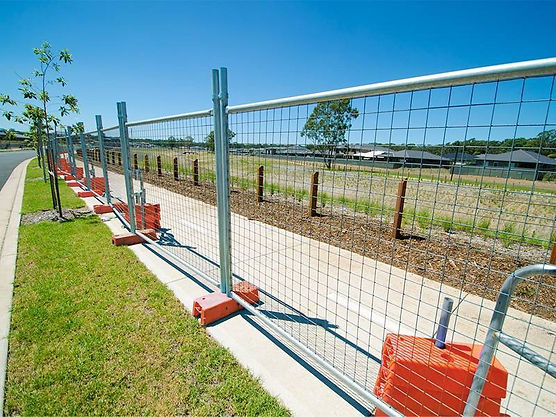
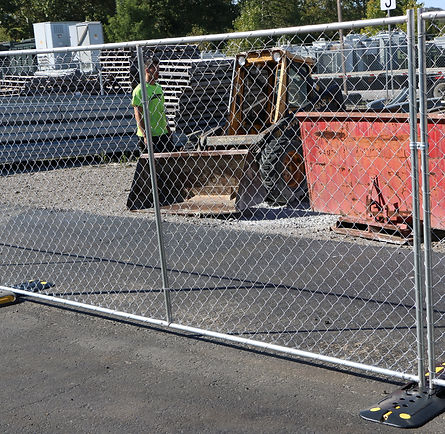
Temporary fencing is a protective barrier installed to restrict access to specific areas for a defined period. Unlike permanent fencing, it is designed for flexibility, rapid deployment, and removal once the need has passed. Temporary fencing is commonly used following property damage, during restoration projects, or when structures pose safety hazards.
The primary goal of temporary fencing is to control movement, reduce liability exposure, and protect both the property and surrounding individuals. It serves as a visible warning, a physical deterrent, and an organizational tool during dynamic and potentially dangerous situations.
When Temporary Fencing Becomes Necessary
Post-Disaster Property Damage
After storms, fires, or structural failures, properties may have unstable areas or exposed hazards. Temporary fencing restricts access to these zones, reducing the risk of injury while restoration work is planned and executed safely.
Active Restoration or Repair Projects
During roofing, structural repairs, or cleanup operations, temporary fencing helps separate work zones from public or residential areas. This ensures smoother operations while protecting workers and bystanders from potential dangers.
Security Concerns and Unauthorized Access
Vacant or damaged properties are vulnerable to trespassing, vandalism, and theft. Temporary fencing provides a clear physical barrier that discourages unauthorized entry and protects assets during transitional periods.
Key Signs You Need Temporary Fencing Immediately
Open or Unsecured Property Areas
If a property has exposed boundaries, damaged walls, or missing barriers, temporary fencing becomes essential to restore perimeter control and prevent unrestricted access that could lead to injuries or legal issues.
Hazardous Conditions Present
Debris, unstable structures, heavy equipment, or environmental hazards signal the need for temporary fencing. This barrier helps keep individuals away from dangerous zones until hazards are removed or stabilized.
Ongoing Restoration Activity
When multiple crews, materials, and machinery are present, temporary fencing helps organize space, guide movement, and maintain safety protocols throughout the restoration process.
How Temporary Fencing Works
Temporary fencing works by creating a defined perimeter around a property or specific area. Fence panels or barriers are strategically positioned to block access points and guide movement where needed. These systems are designed to remain stable under various conditions while allowing flexibility for restoration workflows.
Temporary fencing solutions can be adjusted, expanded, or relocated as project needs evolve. This adaptability makes them ideal for restoration environments where conditions may change daily. The fencing remains in place until hazards are eliminated or permanent structures are restored.
The Temporary Fencing Installation Process
Site Evaluation and Planning
The process begins with a careful assessment of the property layout, hazard locations, access points, and surrounding environment. This planning phase ensures fencing placement provides maximum protection without interfering with restoration activities or emergency access.
Fence Selection and Configuration
Appropriate fencing types and configurations are chosen based on site conditions. Factors such as ground stability, expected foot traffic, weather exposure, and project duration all influence the selection to ensure reliable performance.
Professional Installation
Temporary fencing is installed using secure anchoring methods that maintain stability while allowing efficient adjustments. Panels are aligned to create continuous barriers, ensuring there are no gaps that could compromise safety or security.
Final Inspection and Adjustment
Once installed, the fencing system is inspected to confirm proper alignment, stability, and effectiveness. Adjustments are made as necessary to accommodate ongoing restoration needs or evolving site conditions.
Common Applications of Temporary Fencing
Perimeter Control for Damaged Structures
Temporary fencing establishes a secure perimeter around buildings with structural damage. This prevents unauthorized access, reduces liability exposure, and helps preserve the integrity of the site during restoration planning and execution.
Restricted Access Zones
Certain areas may remain unsafe even while restoration progresses. Temporary fencing allows specific zones to remain restricted while work continues elsewhere, maintaining safety without halting overall progress.
Equipment and Material Protection
Temporary fencing helps secure tools, materials, and equipment stored on-site. This reduces the risk of theft or misuse and helps keep restoration operations organized and efficient.
Benefits of Temporary Fencing Services
Enhanced Safety Control
Temporary fencing significantly reduces the risk of injuries by keeping unauthorized individuals away from hazardous areas. It creates a controlled environment where restoration professionals can work without unnecessary interruptions or safety concerns.
Improved Security and Asset Protection
By limiting access points, temporary fencing helps deter vandalism, trespassing, and theft. This added layer of protection safeguards both the property and valuable materials during vulnerable periods.
Liability Risk Reduction
Clearly defined boundaries demonstrate proactive safety measures. Temporary fencing helps reduce liability exposure by preventing accidental entry into unsafe zones and reinforcing compliance with safety responsibilities.
The Importance of Professional Temporary Fencing
Improperly installed fencing can fail under pressure, weather, or accidental impact. Professional temporary fencing ensures stability, proper spacing, and reliable performance throughout the project duration. It also ensures that fencing does not interfere with restoration workflows or emergency access needs.
Temporary fencing is more than a barrier—it is a critical safety system that supports structured, efficient restoration while protecting everyone involved.
Temporary Fencing and Restoration Coordination
Temporary fencing plays an important role in coordinating restoration activities. It helps define work zones, manage movement, and maintain order on complex sites. This organization reduces confusion, improves efficiency, and supports safer working conditions.
By adjusting fencing as work progresses, restoration teams can maintain flexibility without compromising site security or safety.
Maintenance and Monitoring During Use
While temporary fencing is designed for durability, periodic monitoring ensures continued effectiveness. Weather conditions, ground shifts, or project changes may require adjustments to maintain stability and coverage.
Ongoing observation helps identify potential issues early, ensuring the fencing continues to serve its protective purpose until it is no longer needed.
Aftercare and Fence Removal
Once restoration or repairs are complete, temporary fencing should be removed carefully to avoid property damage. Professional removal ensures panels are dismantled safely and the site is restored to its intended condition.
Proper aftercare includes inspecting the area for residual hazards and confirming that permanent security measures are ready before fencing removal.
Schedule Temporary Fencing Today
If your property requires controlled access, enhanced safety, or secure boundaries during restoration or repairs, schedule Temporary Fencing today to protect people, property, and progress from unnecessary risks.

Our Happy Customers
Serving Areas – Houston & Surrounding Cities
Houston TX, Uptown Houston Texas, Downtown Houston TX, Rice Village Houston TX, Midtown Houston TX, Montrose Houston TX, Medical Center Houston TX, Southwest Houston TX, Meyerland Area Houston TX, Humble TX, Kingwood TX, Atascocita TX, Porter TX, Cleveland TX, Huffman TX, Eastgate TX, New Caney TX, Westfield TX, Spring TX, The Woodlands TX, Conroe TX, Magnolia TX, Pinehurst TX, Louetta TX, Tomball TX, Hockley TX, Waller TX, Northeast Houston TX, Northwest Houston TX, Baytown TX, Pearland TX, Pasadena TX, Highlands TX, Crosby TX, Mont Belview TX, Channelview TX, Sheldon TX, La Porte TX, Alvin TX, League City TX, Hitchcock TX, Galveston TX, Dickinson TX, Fresno TX, Texas City TX, Santa Fe TX, Webster TX, Kemah TX, La Marque TX, Hillcrest TX, San Leon TX, Friendswood TX, Rosharon TX, Sugarland TX, Richmond TX, Katy TX, Cypress TX, Brookshire TX, Cinco Ranch TX, Bellaire TX, Memorial City TX, Mission Bend TX, Pecan Grove TX, Jersey Village TX, Aldine TX, Missouri City TX, Greatwood TX, Rosenberg TX, Sienna Plantation TX, Manvel TX


